Seeking support doesn’t mean you’re weak. It means you’re human.
We all have people we care about, and life is finite and fragile. Put those inescapable facts together, and you’ll see that grief is as much a part of being human as being born, falling in love, having a family, working a job, making friends and all the other things it takes to make a life worth living.
Losing a loved one can be one of the most heart-wrenching and life-altering events a person can experience, especially when it’s due to a senseless cause like an illicit drug death.
Feeling every bit of your grief and expressing those feelings after losing someone doesn’t mean you’re weak or broken. It just means you loved someone. It means you truly cared for a person other than yourself. It means you had the courage to feel everything you could for someone you love, and that you still feel that for them now that they’re gone.
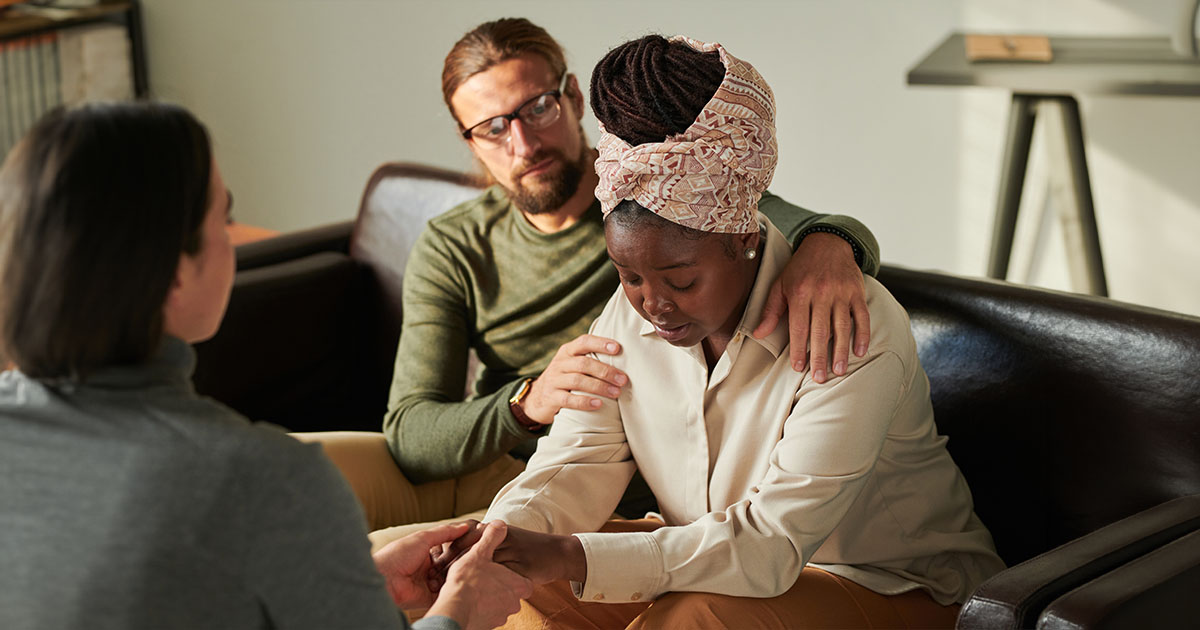
Another thing that doesn’t mean you’re weak is seeking support in your grief. Just like grief is a result of how much we cared for someone, recovering from grief is a process that’s much easier when we have people who care for us to lean on. That’s especially true when they’ve been where you are, and know what you’re going through.
That’s why finding trusted, caring grief support through organizations like Hope Movement Coalition is so important after an illicit drug death. Not only can seeking support make you feel less alone, it can help you find strategies to understand and cope with the intense feelings you may be experiencing.
Understanding the Need for Grief Support
Every person’s grief journey is unique. Some people may find solace in solitude. But for most people experiencing grief, isolating yourself and bottling up your feelings is a recipe for even more pain.
Emotions like anger and regret can be corrosive. And if you try to deal with them alone in the wake of losing a loved one — especially when their passing was due to a traumatic cause like fentanyl poisoning or illicit drug death — those feelings can begin to eat into your other relationships and the things that make you happy.
The grief process is not linear. One day you may be mostly fine, and a wreck the next, even months or years after a loss. Deep grief can also lead to physical symptoms, including chronic fatigue, insomnia, losing weight, gastrointestinal issues and even heart problems and seizures. That range of symptoms and their unpredictability can make grief challenging and sometimes even dangerous to try to navigate by yourself.
But by seeking grief support and the knowledgeable, non-judgemental fellowship, mentoring and counsel that groups like Hope Movement Coalition can provide, those recovering from the shock and trauma of a sudden, illicit drug-related death can benefit from shared experiences and the mutual understanding of those who’ve weathered the same emotions and walked the same road.
Free Grief Support Services We Provide
Hope Movement Coalition was born of shared grief, and exists for one reason: to turn pain into purpose by easing the burdens of those who have lost a loved one due to fentanyl poisoning or an illicit drug death.
We accomplish that mission by providing a comprehensive range of grief support services to applicants statewide. Services we provide include:
- Access to a network of trusted partners specializing in substance abuse, suicide prevention, recovery and more.
- Referrals to judgment-free professional counselors near you who are trained in dealing with grief and the emotions associated with loss due to illicit drug death.
- Funding assistance for funeral expenses and extended paid leave from employment, to give grieving families the resources and financial breathing room they need to say goodbye and more fully recover.
- Monthly group grief-support meetings the last Saturday of each month, and one-on-one peer partners who have been where you are and are available to walk with you on your grief journey.
- A yearly, three-day educational retreat in the Ozarks, and an eight week, in-person course on grief and coping strategies offered twice a year.
We know from experience that seeking grief support after an illicit drug death can save relationships, careers, marriages, families — even lives. So don’t wait. Reach out, and find the hope and help you need to heal.
To seek grief support services from Hope Movement Coalition, please visit our contact page at www.hopemovementcoalition.com/contact. Include as much detail as you can in your message, so we can route your request to the proper recipients. We will reach out shortly.