The opioid and illicit synthetic fentanyl epidemics are wreaking chaos in communities across the nation, claiming lives and disrupting families daily. These crises know no boundaries, affecting people of all ages and backgrounds. But there is hope. By working together, we can combat these epidemics and save lives.
Understanding the Two Epidemics
The Prescription Opioid Crisis
Opioids encompass a wide range of drugs, including prescription pain relievers, heroin, and synthetic opioids such as fentanyl. These substances are powerful pain management tools but come with significant risks. In the early 2000s, the over-prescription of opioid painkillers, driven by aggressive marketing and a growing belief in their safety, led to widespread misuse and dependence. As healthcare providers became more cautious and prescriptions dwindled, many individuals struggling with addiction sought alternatives, turning to heroin and other illicit opioids. This shift not only exacerbated the opioid crisis but also created a devastating cycle of addiction and dependence, impacting families, communities, and healthcare systems across the country. The ripple effects of this crisis continue to be felt today, highlighting the need for comprehensive approaches to prevention, treatment, and education.
The Illicitly Manufactured Fentanyl Crisis
Fentanyl is a potent synthetic opioid, approximately 100 times stronger than morphine, and is often prescribed for severe pain management, particularly in cases of cancer or after major surgeries. Its effectiveness in treating intense pain has made it a valuable tool in medicine. However, the misuse of this powerful drug, coupled with the alarming rise in illicitly manufactured fentanyl, has triggered a deadly crisis that poses significant public health challenges.
Illicitly produced fentanyl is often mixed with other drugs, such as heroin or cocaine, without the user’s knowledge, leading to increased potency and a heightened risk of overdose. This dangerous practice not only contaminates the drug supply but also complicates efforts to combat the opioid epidemic. Furthermore, the rise of illicit fentanyl has been linked to a substantial increase in fatal poisonings across various demographics, exacerbating an already critical public health crisis. As communities grapple with the consequences of this epidemic, it becomes increasingly clear that addressing the issue of illicitly manufactured fentanyl is crucial for saving lives and restoring health to affected populations.
The Toll on Communities
Social and Economic Impact
The opioid and illicit fentanyl crises have devastating impacts on communities, particularly affecting teens and young adults who are increasingly vulnerable to fake pills and illicit synthetic drugs. Families are torn apart, and the financial burden is enormous. The costs of funerals and associated expenses can be overwhelming, further compounding the grief of losing a loved one. Additionally, families often face the financial challenge of raising the children of someone who has passed away due to substance use disorder or fentanyl poisoning. Lost wages from having to miss work to navigate the loss add to the financial strain. The burden of grief counseling and support services for the remaining family members also contributes to the overall financial impact. As more teens and young adults fall victim to these dangerous substances, the crisis continues to escalate, highlighting the urgent need for awareness and prevention efforts.
Real-World Statistics
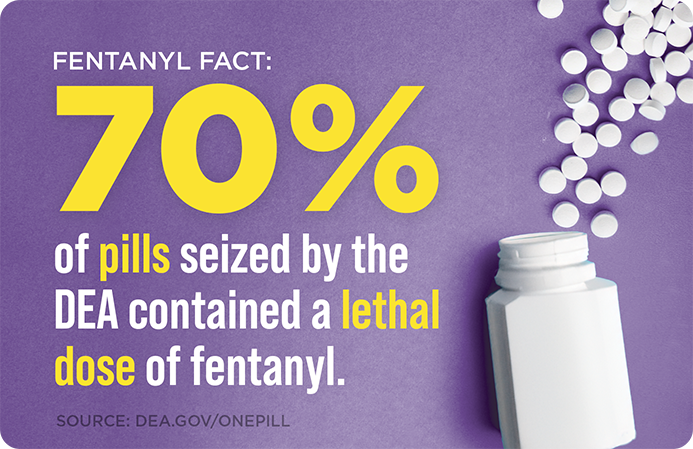
According to a recent article published by UCLA Health, an average of 22 high school-aged teens died each week from overdoses in 2022, driven by fentanyl-laced pills. The DEA also has released a report showing that 7 out of every 10 seized pills contained lethal doses of fentanyl when submitted for lab testing. This heartbreaking statistic underscores the urgency of our collective response. Teenagers, unaware of the risks, fall victim to counterfeit pills containing deadly doses of fentanyl, leading to a surge in overdose deaths.
Strategies for Prevention and Intervention
Evidence-Based Prevention Methods
Early intervention is crucial in preventing opioid misuse. Educational programs in schools, community outreach, and public awareness campaigns can inform people about the dangers of opioids and illicit fentanyl. Pediatricians and mental health practitioners should regularly discuss drug use with their patients, providing guidance and support.
Successful Community Initiatives
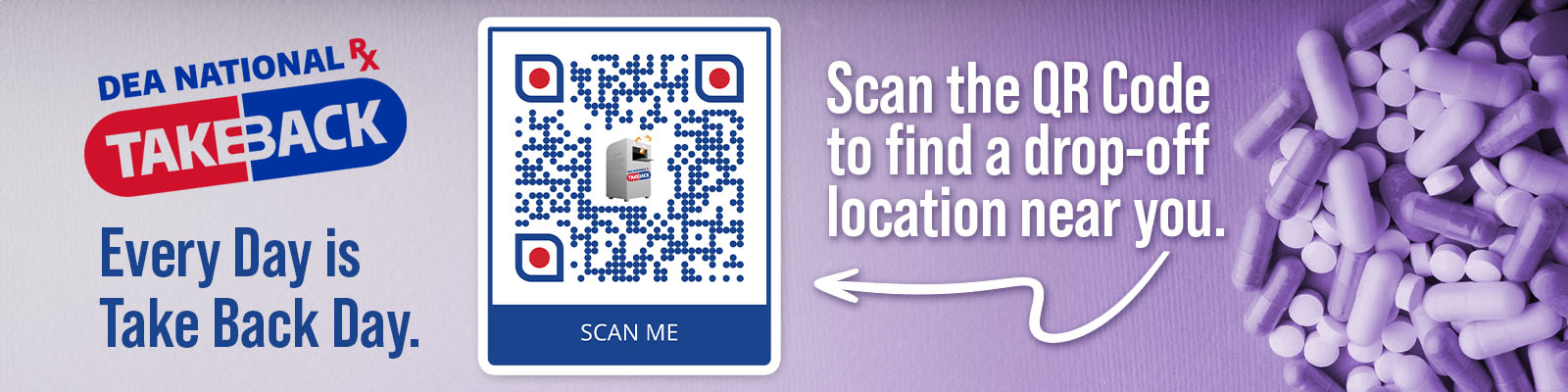
Several community initiatives and government policies have shown success in combating the opioid epidemic. Naloxone distribution programs, which provide access to the overdose-reversal drug commonly known as Narcan®, have saved countless lives. Additionally, “no-questions-asked” pill-disposal programs, such as the DEA Take-Back program, offer a safe way to get rid of unused medications, reducing the risk of misuse.
The Role of Community Leaders and Families
Creating Supportive Environments
Community leaders play a vital role in creating supportive environments that help combat the epidemic. By implementing policies that promote education, prevention, and treatment, they can make a significant difference. It’s also crucial for leaders to advocate for resources and funding to support local initiatives. Additionally, breaking the stigma surrounding this epidemic is essential. Leaders and individuals should feel empowered to be open about the issue, fostering a culture of understanding and support that encourages conversation and action. Families can also play a crucial role in preventing opioid misuse by educating themselves and their loved ones about the risks and supporting those struggling with addiction.
Recognizing Signs and Seeking Help
Families must be vigilant in recognizing the signs of addiction and seeking help promptly. Changes in behavior, unexplained physical symptoms, and secretive actions may indicate a problem. Open communication, empathy, and support are essential in helping loved ones overcome addiction.
Building Support Networks
Importance of Support Networks
Support networks and dedicated grief support are crucial for individuals in recovery and their families. Peer support groups, counseling services, and community organizations provide the necessary encouragement and guidance. These networks offer a safe space for sharing experiences, gaining insights, and finding strength in unity.
Resources and Organizations
Numerous resources and organizations are available to support those affected by the opioid and synthetic fentanyl epidemic. Here at Hope Movement Coalition, we specialize in helping Arkansas families who have lost loved ones to substance use disorder or fentanyl poisoning. Our mission is to provide comprehensive support to affected families and to build a coalition that is actively working to STOP THE STIGMA that surrounds drug misuse and drug-related deaths while educating the general public about what they can do to help put a stop to this crisis.
The Future: Hope and Solutions
Advancements in Treatment and Prevention
Promising advancements in addiction treatment and prevention offer hope for the future. Innovative therapies, medication-assisted treatment (MAT), and personalized recovery plans have shown positive outcomes. Additionally, research into non-opioid pain management alternatives is ongoing, reducing the reliance on opioids.
Our Collective Effort
We all have a role to play in addressing the opioid and synthetic fentanyl epidemic. Whether through advocacy, education, or support, every effort counts. Join the Hope Movement Coalition in our mission to combat this crisis and support those affected. Together, we can make a difference.
Every Life Matters
The opioid and synthetic fentanyl epidemics are formidable challenges, but it is not impossible to overcome. By understanding the crisis, supporting prevention and intervention efforts, and building strong support networks, we can save lives and create a safer future. Join us at the Hope Movement Coalition and be part of the solution. Share this post, spread awareness, and get involved in your community. Together, we can overcome these epidemics and bring hope to those in need.
Contact us to get involved in our efforts. If you or someone you know has been affected by a loss due to substance use disorder or fentanyl poisoning and are in need of support, please reach out today. YOU ARE NOT ALONE! We are here to help you.